
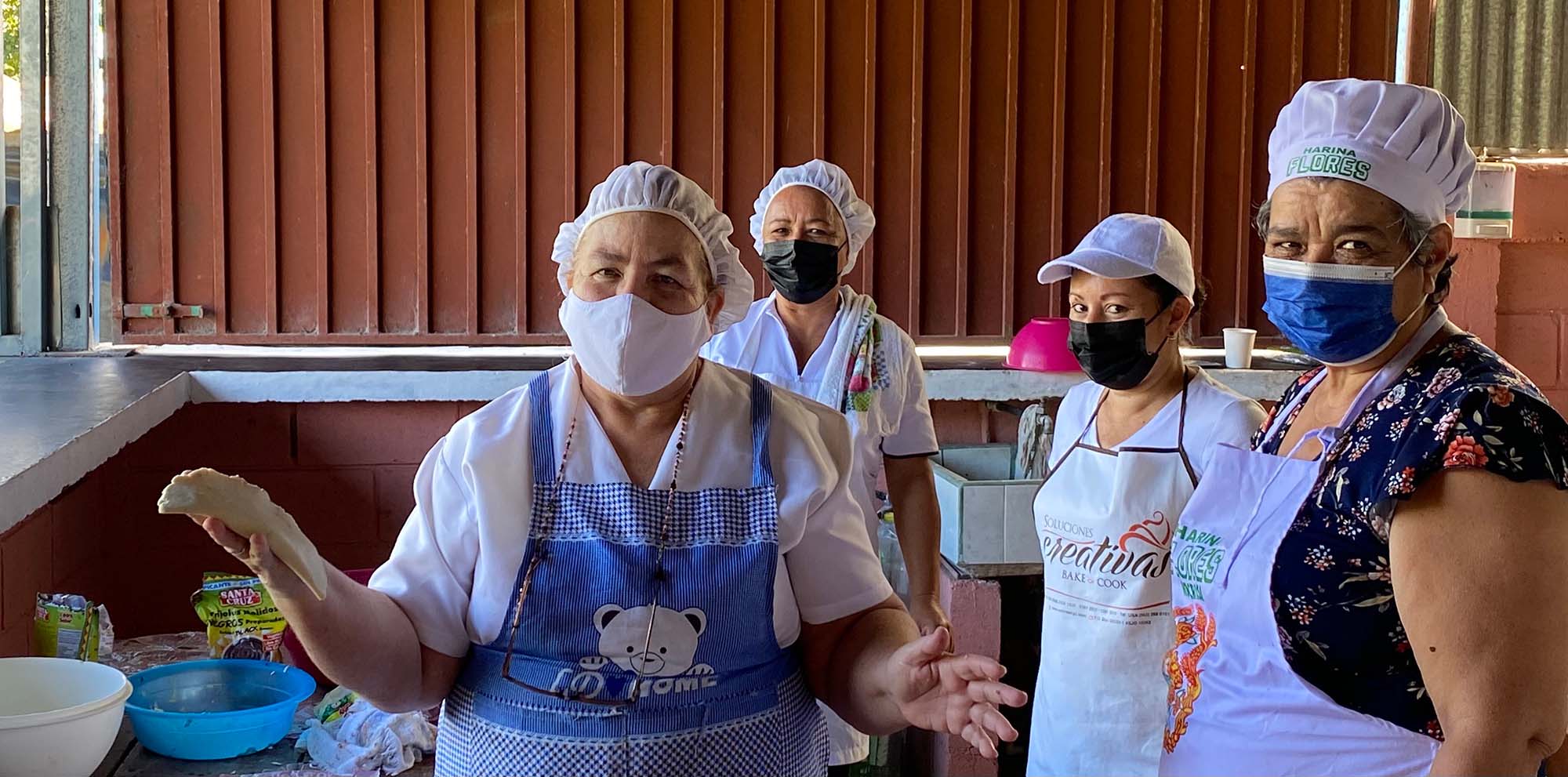
Communities of El Camino de Costa Rica strengthen their service to visitors
Source: Delfino Costa Rica
Link to the article: https://delfino.cr/2025/11/pequenos-emprendimientos-turisticos-del-camino-de-costa-rica-se-certifican-en-excelencia-en-el-servicio-al-cliente
Author: Delfino Costa Rica
Publication date: Nov 04, 2025
Communities that form part of El Camino de Costa Rica — including lodgings, restaurants, transport providers, and tour operators — were certified in customer service excellence through the Service Best program, developed by Tourism Saskatchewan Canada.
The training was delivered by the National Chamber of Tourism (Canatur) together with the Mar a Mar Association, within the Reactur project, executed by Fedecatur with the support of BID Lab. This initiative raised visitor service standards and boosted local economic development.
The national media outlet Delfino.cr highlighted this achievement, emphasizing how the Camino connects more than 25 rural communities along its 280 kilometers and how this type of training strengthens service quality and sustainable tourism.
Many participants agreed that the certification provides practical tools to improve customer service while reinforcing the sense of community among those who are part of the route, generating a positive impact on the visitor experience.
Through this joint effort, El Camino de Costa Rica reaffirms its commitment to a responsible and inclusive tourism model, promoting community well-being and offering authentic experiences to those who undertake this journey from coast to coast.
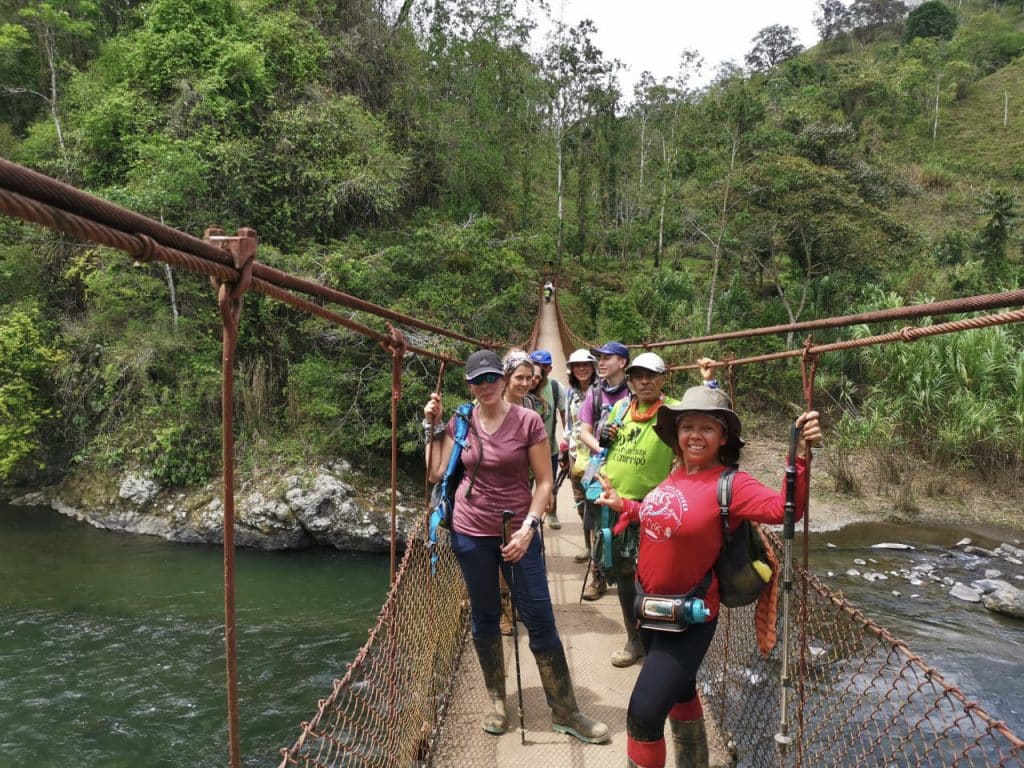
Puente Colgante Saldí strengthens safety and rural tourism in Nairi Awari
Source: Delfino Costa Rica
Link to the article: https://delfino.cr/2025/11/puente-colgante-saldi-une-seguridad-esperanza-y-oportunidades-en-nairi-awari
Author: Delfino Costa Rica
Publication date: Nov 11, 2025
The Cabécar community of Tsinikicha, located in the indigenous territory of Nairi Awari, celebrated the inauguration of the Puente Colgante Saldí, a project that represents a significant step forward in safety, mobility, and well-being for local families and hikers along El Camino de Costa Rica.
The bridge, built over the Río Mono, was managed by the Mar a Mar Association in cooperation with the Association for Integral Development of Nairi Awari (ADIRINA) and supported by a donation from the William H. Donner Foundation. This structure provides a safe crossing year-round, eliminating the risks posed by river floods that for decades endangered residents and visitors.
The inauguration ceremony brought together representatives of indigenous communities, institutional allies, and local authorities, who emphasized the importance of this work for internal connectivity and the safety of both national and international visitors traveling this section of the Camino.
Construction was carried out by TreeNets, a company specialized in ecological engineering, which implemented the Ecological Earth Anchoring System (SATE), a method that avoids the use of concrete and minimizes environmental impact. This approach reinforces the project’s commitment to biodiversity conservation and sustainability.
The national media outlet Delfino.cr highlighted that the Puente Saldí reflects the guiding pillars of the Mar a Mar Association: ensuring a safe, world-class trail, promoting economic development through rural community tourism, and protecting the natural wealth of the territory. Beyond improving mobility, the bridge opens new opportunities to strengthen rural tourism and the well-being of the eleven indigenous communities of Nairi Awari.
The Endurance 100K Challenge: Driving Sports and Local Development
Source: La República Costa Rica
Link to the article: https://www.larepublica.net/noticia/100-kilometros-24-horas-una-ruta-de-mar-a-mar-el-camino-de-costa-rica-pone-a-prueba-a-los-mas-valientes
Author: Silvia Ureña
Publication date: May 16, 2025
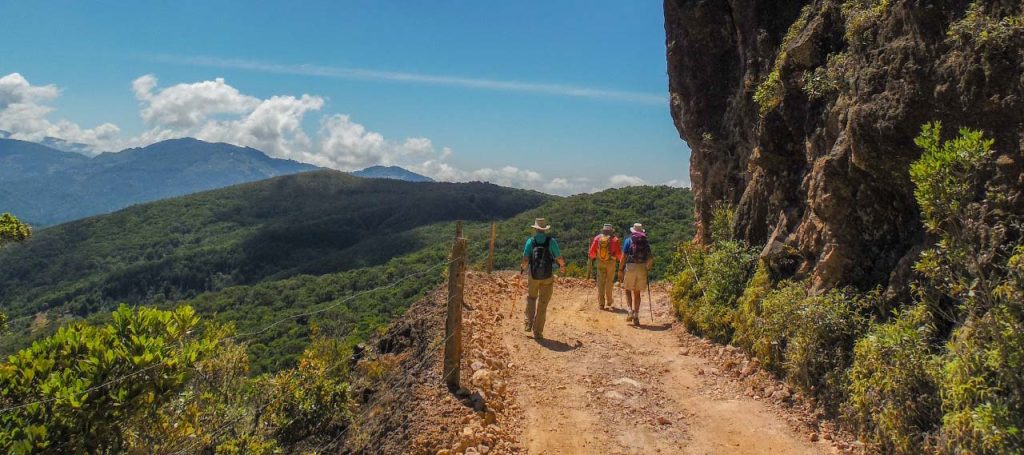
Costa Rica is consolidating itself as a destination for sports tourism with the Camino Endurance 100K, a challenge that invites hikers and ultradistance athletes to cover 100 kilometers in 24 hours along El Camino de Costa Rica.
The event, part of the international Ultra Endurance El Camino Series, combines physical and mental endurance with unique landscapes that cross rural communities, indigenous territories, and natural reserves. Traditionally, the full Camino is completed in about two weeks, but this format condenses six stages into a single day.
In its most recent edition, participants completed the route in approximately 23 hours, facing more than 3,500 meters of accumulated ascent. The race is held in a non-stop and semi-self-sufficient format, requiring preparation and proven experience in demanding routes.
Beyond the sporting challenge, the event strengthens sustainable rural tourism: hikers stay in community lodges, enjoy local cuisine, and generate direct income for more than 25 communities along the Camino.
The national outlet La República emphasized that this challenge not only tests the endurance of participants but also highlights the country’s natural and cultural wealth, consolidating El Camino de Costa Rica as a global benchmark in sustainable and sports tourism.
National Geographic Focuses on the Experience of Communities along El Camino de Costa Rica
Source: El Financiero
Link to the article:https://www.elfinancierocr.com/lab-de-ideas/el-camino-de-costa-rica-la-ruta-de-senderismo-que/RBNY2CA5MJH73BRF22IUSAIQHM/story/
Author: Andrea Mora
Publication date: February 19, 2025
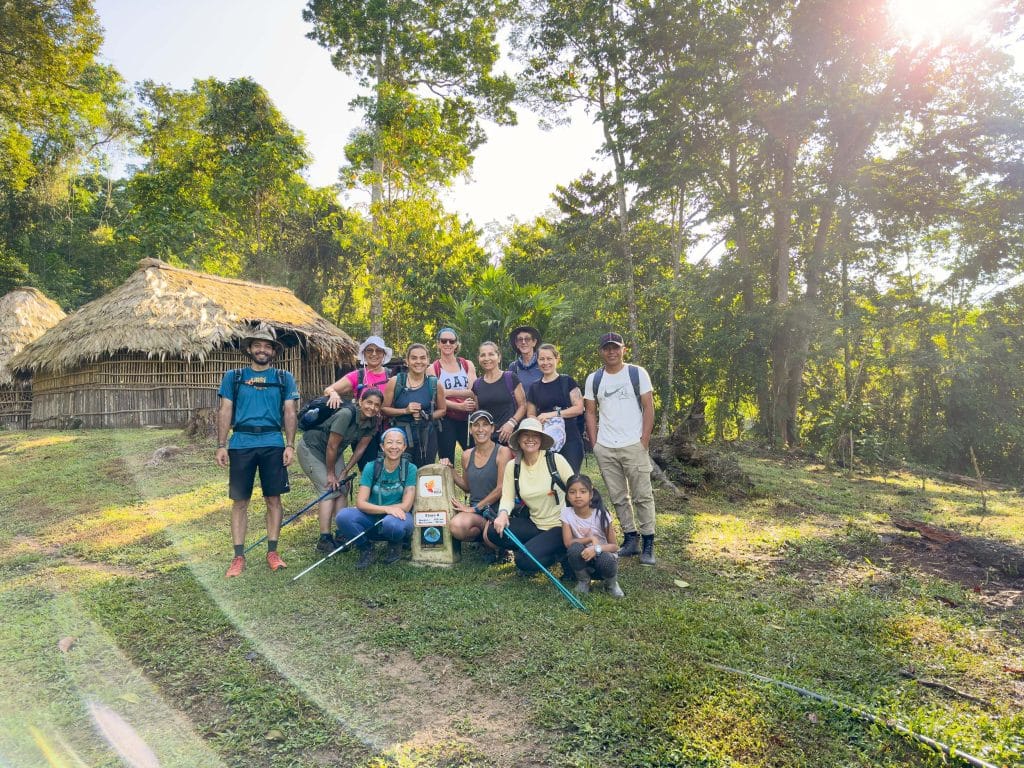
National Geographic recently dedicated a feature to El Camino de Costa Rica, describing the 280‑kilometer route as an adventure that crosses the country from coast to coast and allows hikers to discover indigenous villages, rural landscapes, and natural wonders. Beyond the trail itself, the report emphasizes the experience of the walkers who join the challenge month after month.
Recent estimates indicate that up to 600 people per month walk one or more of the 16 stages of the Camino. Some participants complete the route in a single journey, while others advance gradually, adding stages over time. This flexibility has allowed both international visitors and Costa Ricans to adapt the experience to their own possibilities.
Hikers record their passage in signature books located in hostels and restaurants in communities such as Barra del Pacuare, Pejibaye, and Quepos. Although these records are not scientific, they provide an approximate count and reflect the steady growth of the route. In January, for example, a single business reported more than 200 hikers in just one month.
This system of registration shows how the Camino has become a driver of interaction between travelers and local communities. Each signature represents a story: people staying in family homes, enjoying homemade cuisine, and sharing with rural entrepreneurs who have found in hiking a new source of income.
The national outlet El Financiero highlighted that this constant flow of walkers strengthens the economy of more than 25 communities and positions El Camino de Costa Rica as an international benchmark in sustainable tourism, comparable to iconic routes such as the Camino de Santiago in Spain or the Inca Trail in Peru.
El Camino de Costa Rica: Exploring the Country’s Cultural and Environmental Richness
Source: NatGeo España
Link to the article:https://www.nationalgeographic.com.es/medio-ambiente/camino-costa-rica_24179
Author: Verónica López
Publication date: February 12, 2025
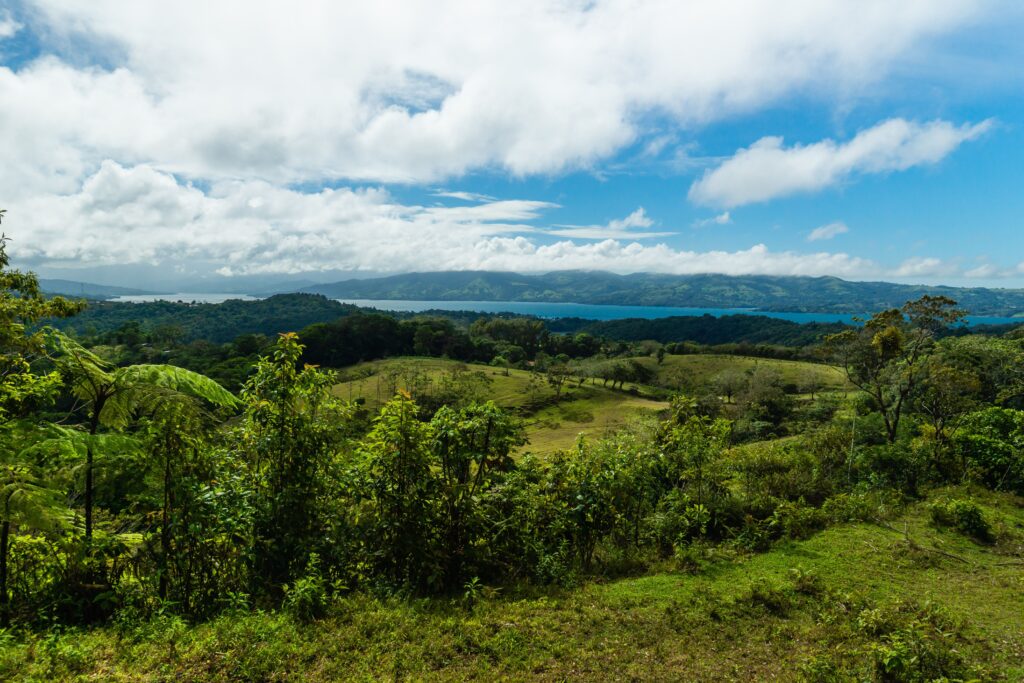
Costa Rica’s global recognition for its biodiversity and lush landscapes is fully embodied in El Camino de Costa Rica, which offers a unique opportunity for those seeking to connect with the country’s roots, traditions, and authentic nature. The coast‑to‑coast route allows hikers to create lasting memories through diverse experiences along the way.
Officially established in 2018 by the nonprofit Mar a Mar Association, the Camino stretches 280 kilometers divided into 16 stages. Walkers can complete the journey in about two weeks, enjoying settings that range from tropical beaches and coffee plantations to steep mountains and cloud forests. Each stage provides distinct scenery and the chance to stay with local families offering lodging and homemade cuisine.
The trail follows ancient indigenous paths once used for trade and cultural exchange. Today, hikers relive that history while discovering hidden waterfalls, rivers, agricultural valleys, and communities that preserve their traditions. The Cabécar people, for example, share with visitors a worldview deeply connected to nature.
Biodiversity is one of the Camino’s greatest attractions: along the route, hikers may spot toucans, hummingbirds, sloths, howler monkeys, and, with luck, emblematic felines such as the jaguar or puma. This natural richness makes the Camino a privileged space to experience Costa Rica’s “pura vida” spirit in its most authentic form. Beyond the physical adventure, El Camino de Costa Rica is also an economic engine for more than 25 rural communities. Small lodges, eateries, and local guides benefit directly from the tourism generated by the route, reinforcing a model of sustainable travel that combines environmental conservation, community development, and authentic cultural encounters.
Leave a Reply