

The Mar a Mar Association receives international recognition in sustainable tourism.
Source: La República
Link to the article:https://www.larepublica.net/noticia/costa-rica-recibe-premio-iberoamericano-por-su-programa-turismo-para-todas-las-personas fecha y demas
Author: Melissa González
Publication date: May 22, 2025
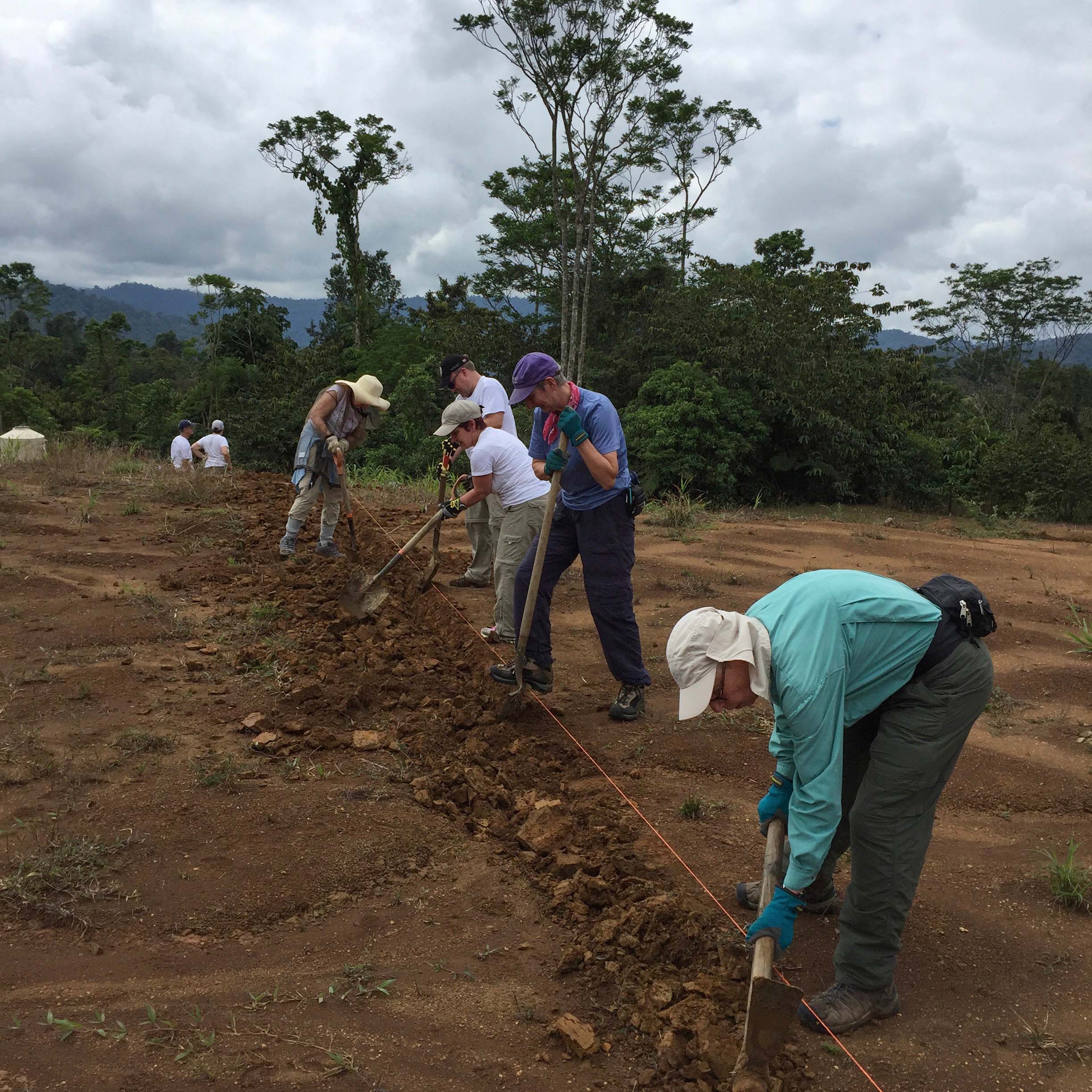
During the 2025 Sustainable and Social Tourism Awards, held in Costa Rica, the Mar a Mar Association was honored in the civil society category at the ninth edition of the Sustainable & Social Tourism Summit, hosted at the country’s Convention Center.
The recognition highlights the positive impact of the route on rural communities, indigenous territories, and local enterprises, which continue to promote a responsible tourism model that connects the Atlantic with the Pacific.
This award positions the Camino de Costa Rica as an Ibero-American benchmark in sustainability and social development, validating the vision of the Mar a Mar Association to strengthen the rural economy while protecting biodiversity and reinforcing the country’s cultural identity.
Best Seasons to Hike the Camino de Costa Rica
Source: Active Travel Adventures
Link to the article: https://activetraveladventures.com/planning-your-costa-rica-camino/:
Author: Kit Parks
Publication date: Unknown
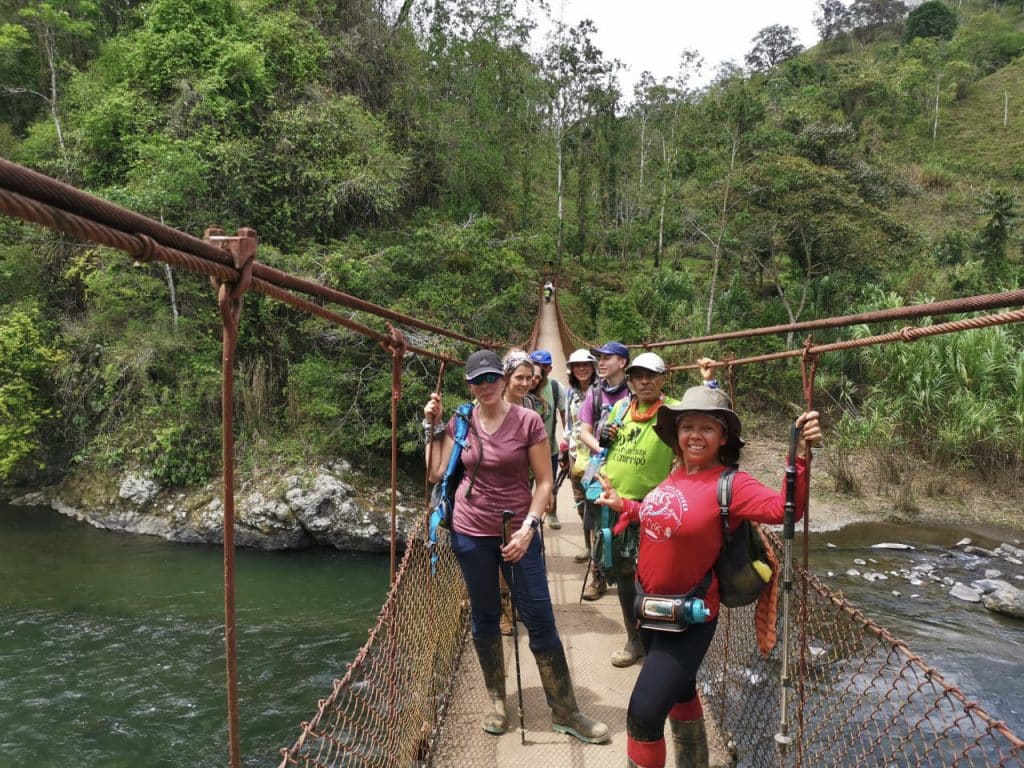
The 280-kilometer stretch of the Camino de Costa Rica, which runs from the Caribbean to the Pacific, presents climatic conditions that, although it can be hiked throughout the year, some dates pose greater challenges for trekkers. Careful planning is therefore essential to enjoy more accessible trails and avoid complications caused by heavy rains.
November is considered the least advisable month to undertake the journey due to intense rainfall that turns the paths into muddy and difficult terrain. In contrast, the dry seasons are the most recommended times to hike the route, offering greater comfort and safety.
On the Caribbean coast, the most favorable period extends from December to April, when rainfall decreases and the trails remain firmer. This climatic advantage facilitates starting the trek in Parismina and provides ideal conditions to enjoy the region’s rich biodiversity.
On the Pacific coast, the best conditions occur between November and May, making the arrival in Quepos a pleasant experience with less risk of heavy rains. The difference between both coasts requires hikers to carefully consider their starting dates to take advantage of the best of each season.
Choosing the right season to begin the trek is essential to ensure a safe and enriching experience. Avoiding November and taking advantage of the dry periods on both the Caribbean and Pacific sides allows hikers to fully enjoy this journey, combining nature, climate, and sustainable tourism.
The Gastronomy of the Camino de Costa Rica: Flavors that Accompany the Route
Source: Active Travel Adventures
Link to the article: https://activetraveladventures.com/planning-your-costa-rica-camino/:
Author: Kit Parks
Publication date: Unknown
The main attraction along the kilometers that make up the Camino de Costa Rica are its trails and biodiversity, but the gastronomy that accompanies the journey, together with the hospitality of its residents, cannot be overlooked. This trek also allows hikers to connect with the culinary side of Costa Rica, as visitors enjoy homemade meals prepared by local families, turning this experience into an essential part of the route.
Traditional dishes such as gallo pinto, casado, and recipes made with fresh local products become the energy that drives hikers day after day. In many sections, these lunches are organized by women from the communities, who prepare the meals in their homes and serve them in simple spaces, creating an authentic and familiar atmosphere.
Gastronomy reflects the creativity and entrepreneurship of the communities. Many families have adapted their homes to welcome hikers, offering lunches, dinners, and additional products such as freshly roasted coffee or homemade sweets. These small businesses represent vital income that strengthens the local economy.
The Mar a Mar Association promotes this model as part of its vision of sustainable tourism. The participation of rural women in preparing food and managing family lodgings generates economic independence and a direct impact on community life, becoming an example of how tourism can transform realities.
On the Camino de Costa Rica, gastronomy is not merely a service; it is a cultural experience that allows visitors to share meals with communities, discover recipes passed down through generations, and experience Costa Rican hospitality. Each dish becomes a bridge that unites travelers with hosts, reinforcing the country’s identity and showing that the route is also traveled through its flavors
Leave a Reply